
Copper Magnet Wire: Selection Guide for Transformers, Reactors and Electrical Equipment
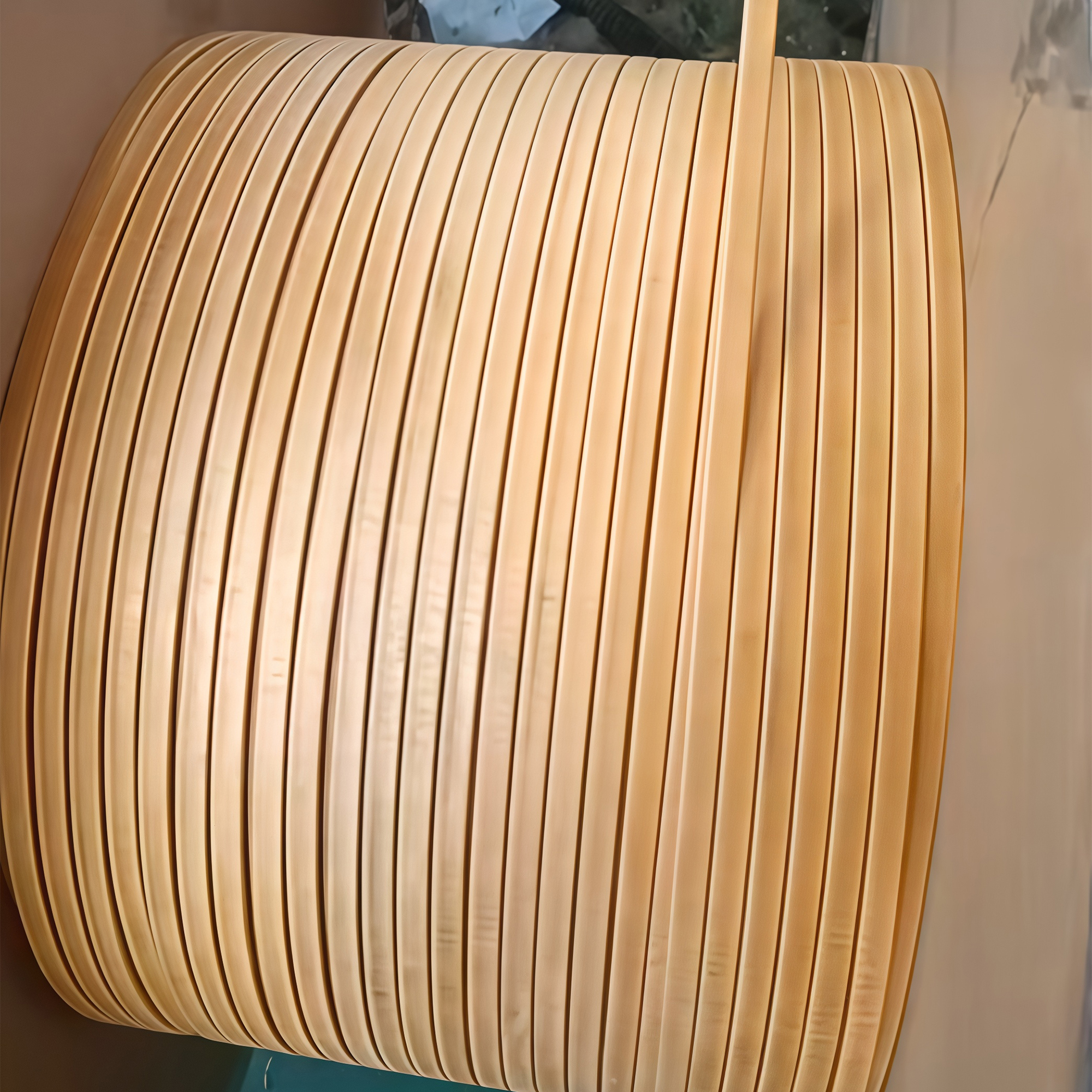
<h2>What copper magnet wire is and where it fits</h2>
<p>Copper magnet wire is a copper conductor drawn to a round or rectangular cross-section and covered with electrical insulation, then wound into coils that produce a magnetic field when energised. In transformers, reactors, switchgear and similar power equipment, the wire is the part that carries current and defines how much winding space the insulation consumes.</p>
<p>Two variables decide most of the specification: the conductor (round or flat, bare or enamelled) and the covering (enamel, glass fibre, paper, film, mica or combinations). The covering is not cosmetic. It sets the temperature class, the mechanical protection during winding, and how much copper fits in a given window.</p>
<p>This guide is written for overseas B2B buyers and winding engineers who need to compare options, write a clear inquiry and verify what arrives. It covers copper first, then the aluminium and glass-fibre alternatives that often sit in the same inquiry.</p>
<h2>Conductor form: round versus flat copper</h2>
<p>Round enamelled copper wire is the default for smaller transformers, instrument coils and general winding. Flat enamelled copper wire is used where the winding window is rectangular and fill factor matters: flat conductor packs more copper into the same space and shortens the mean turn, which reduces resistance for a given cross-section.</p>
<p>The trade-off is handling. Flat wire has a preferred bending axis and is less forgiving in tight radii; round wire bends in any direction but leaves more void space. If your design is space-constrained, flat conductor is usually worth evaluating early, because changing from round to flat late in the design affects the bobbin, the winding machine and the insulation coordination.</p>
<ul>
<li><strong>Round enamelled copper wire:</strong> general winding, easier handling, broad availability.</li>
<li><strong>Flat enamelled copper wire:</strong> higher fill factor, shorter mean turn, tighter process control needed.</li>
<li><strong>Bare copper wire:</strong> conductor for subsequent covering or for applications where insulation is applied separately.</li>
</ul>
<h2>Covering types and what each one is for</h2>
<p>The covering choice follows from the operating temperature, the mechanical duty during winding and the environment. The table below compares the main families supplied for copper and aluminium magnet wire.</p>
<table>
<thead>
<tr><th>Covering</th><th>Typical role</th><th>What to confirm</th></tr>
</thead>
<tbody>
<tr><td>Enamel (e.g. polyurethane, polyester, polyester-imide, polyimide)</td><td>Thin build, high fill factor, general winding</td><td>Temperature class, enamel grade, solderability if required</td></tr>
<tr><td>Glass-fibre covered (single or double)</td><td>Mechanical and thermal protection in transformers, reactors and demanding environments</td><td>Number of glass layers, class, impregnation compatibility</td></tr>
<tr><td>Polyester glass-fibre covered</td><td>Combined polyester enamel plus glass-fibre outer covering</td><td>Class rating, adhesion, flexibility</td></tr>
<tr><td>Paper covered (including NOMEX paper)</td><td>Oil-filled transformers and reactors where paper insulation is part of the dielectric system</td><td>Paper type, thickness, compatibility with transformer oil</td></tr>
<tr><td>Film covered (polyester or polyimide film)</td><td>Higher dielectric strength in a compact build</td><td>Film thickness, overlap, class</td></tr>
<tr><td>Mica-tape covered</td><td>High-temperature and fire-resistant duty</td><td>Tape build, class, bend performance</td></tr>
<tr><td>Combined constructions (e.g. three-film one-fabric)</td><td>Multi-layer dielectric and mechanical protection</td><td>Layer sequence, overall dimensions, class</td></tr>
</tbody>
</table>
<p>The supplied product evidence for glass-fibre-covered copper wire lists insulation and temperature classes 130, 155, 180, 200 and 220, with different insulating materials used by class. That is a useful reminder: the class number is not a property of the glass sleeve alone. It reflects the complete insulation system, so a class 180 requirement and a class 220 requirement are not interchangeable even when the outer appearance is similar.</p>
<h2>Copper versus aluminium magnet wire</h2>
<p>Aluminium magnet wire uses an aluminium conductor with the same family of coverings: enamelled round or flat aluminium wire, glass-fibre-covered aluminium wire (single or double), paper-covered aluminium wire and film-covered aluminium wire. The decision between copper and aluminium is usually driven by weight, conductivity and connection practice rather than by insulation.</p>
<p>Copper has higher conductivity than aluminium for the same cross-section, so an aluminium winding needs a larger conductor to carry the same current at the same loss. That larger cross-section competes for winding window space. Aluminium is lighter, which matters in mobile, marine and aerospace equipment, but it also brings different termination requirements: aluminium-to-copper joints need appropriate connection methods to avoid galvanic and creep issues.</p>
<p>A practical rule: start with copper where the design is window-limited or where the existing winding process and terminations are copper-based. Evaluate aluminium where weight reduction is a primary requirement and the winding window can accommodate the larger conductor. Do not treat the two as drop-in substitutes without rechecking losses, temperature rise and joint design.</p>
<h2>How to write a magnet wire specification that gets comparable quotes</h2>
<p>Most quoting problems come from incomplete specifications, not from suppliers. A magnet wire manufacturer can only quote what is defined. Include the following in the inquiry:</p>
<ul>
<li><strong>Conductor:</strong> copper or aluminium; round or flat; nominal dimensions and tolerance.</li>
<li><strong>Covering:</strong> enamel type, glass-fibre single or double, paper type, film type, mica, or combined construction.</li>
<li><strong>Temperature class:</strong> 130, 155, 180, 200 or 220, stated explicitly.</li>
<li><strong>Dimensions:</strong> bare conductor size and overall diameter or thickness and width after covering.</li>
<li><strong>Application:</strong> transformer, reactor, switchgear, high-voltage test equipment, marine or aerospace, with the operating environment.</li>
<li><strong>Standards and test requirements:</strong> the standard you will inspect against, and whether you need certificates or test reports.</li>
<li><strong>Packaging and length:</strong> spool type, continuous length, joint policy, marking.</li>
</ul>
<p>Where the design is not yet fixed, ask for the supplier's standard construction range and the class options available, then narrow from there. That is faster than requesting a fully custom construction before the electrical design is settled.</p>
<h2>Verification before and after delivery</h2>
<p>For a winding wire, verification has two stages: document review before the order, and incoming inspection after delivery.</p>
<h3>Before the order</h3>
<ul>
<li>Confirm the temperature class and the insulation system behind it, not just the class label.</li>
<li>Ask for the construction details: conductor size, covering build, overall dimensions and tolerances.</li>
<li>Confirm the standard the wire will be tested to, and which tests are routine versus type tests.</li>
<li>Check compatibility with your impregnation resin, transformer oil or potting compound where relevant.</li>
</ul>
<h3>On receipt</h3>
<ul>
<li>Measure overall dimensions on a sample and compare with the agreed tolerance.</li>
<li>Check conductor resistance on a measured length.</li>
<li>Inspect the covering for continuity, bare patches and handling damage.</li>
<li>Verify spool marking, length and joint records against the purchase order.</li>
</ul>
<p>These checks are ordinary incoming-inspection steps; the exact test methods and acceptance limits should come from the standard you specified, not from a generic checklist.</p>
<h2>Common specification mistakes and how to avoid them</h2>
<p><strong>Specifying a class without the application.</strong> A class 200 wire in a 155 °C design adds cost without benefit; a class 155 wire in a hot reactor is a reliability risk. State the operating temperature and let the class follow.</p>
<p><strong>Mixing copper and aluminium terminology.</strong> An inquiry that says "copper magnet wire" but lists aluminium dimensions will produce mismatched quotes. State the conductor explicitly on every line item.</p>
<p><strong>Ignoring the covering build in the winding window.</strong> The overall dimension after covering, not the bare conductor size, is what fits the window. Confirm both.</p>
<p><strong>Leaving the standard open.</strong> Without a named standard, supplier A and supplier B may test to different methods and both be "compliant" against their own data sheets.</p>
<p><strong>Overlooking packaging.</strong> Spool size, continuous length and joint policy affect winding uptime more than buyers expect, especially on automated lines.</p>
<h2>Where glass-fibre-covered copper wire is the right choice</h2>
<p>Glass-fibre-covered copper wire is supplied in classes 130, 155, 180, 200 and 220 according to the supplied product information, and is described for high-voltage testing, aerospace and marine electrical equipment, transformers, reactors and other power applications, with high-temperature, corrosion and vibration resistance identified for demanding environments. In practice, the glass-fibre covering provides mechanical protection and thermal capability beyond a thin enamel build, which is why it appears in reactors and transformers where winding stresses and operating temperatures are significant.</p>
<p>The trade-off is space and process: glass-fibre covering adds wall thickness compared with enamel alone, and the winding process must suit the covered wire. If your window is tight and the thermal duty is moderate, enamelled wire may be the better fit. If the duty is demanding and the window allows, glass-fibre constructions are worth evaluating.</p>
<h2>Next step</h2>
<p>Write the specification first, then ask for quotes against it. A one-page inquiry covering conductor, covering, class, dimensions, application, standard and packaging will get you comparable offers and fewer follow-up questions. Where the design is still open, ask the supplier which standard constructions and classes they supply for your application, and compare on that basis.</p>